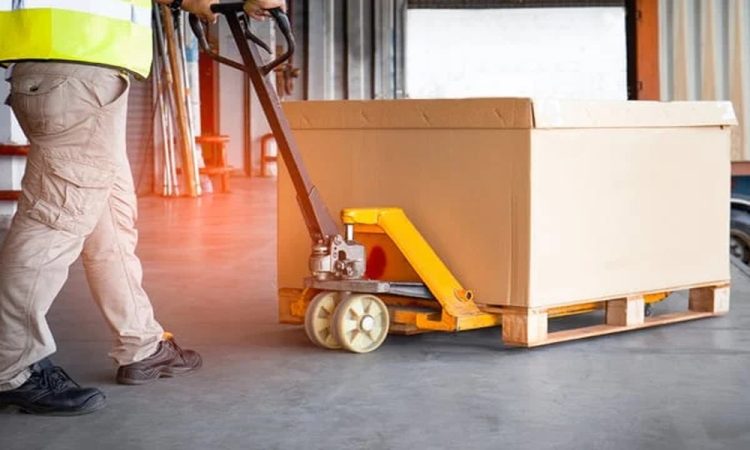
Keeping your manual handling certificate current is essential for workplace safety and legal compliance. If you’re looking to renew manual handling certificate credentials, online courses offer a fast, flexible, and cost-effective solution. A manual handling course for employees helps reduce injury risks, ensures regulatory compliance, and reinforces safe lifting and movement techniques. Whether you’re an employer managing team certifications or an individual employee, online renewal saves time while maintaining workplace safety standards across Ireland.
Quick Answer Section
Definition: Online manual handling certificate renewal allows employees to refresh their training digitally, typically within 1-3 hours.
Key Facts: Certificates generally last 2-3 years; renewal involves theory modules and assessments.
Benefits: Convenient, affordable, compliant with Health and Safety Authority guidelines.
Why It Matters: Prevents workplace injuries and ensures legal compliance for employers.
Understanding Manual Handling Certification
Manual handling certification trains employees in safe lifting, carrying, pushing, and pulling techniques to prevent musculoskeletal injuries. The course covers ergonomic principles, risk assessment, and proper body mechanics.
Online certification works through structured e-learning modules combining video demonstrations, interactive quizzes, and downloadable resources. Participants complete assessments to demonstrate understanding before receiving a digital certificate.
This training matters because manual handling injuries remain among the most common workplace incidents across industries including healthcare, warehousing, retail, and construction. Employers have a legal obligation under occupational health and safety legislation to provide appropriate training, making certification a core compliance requirement rather than optional best practice.
Key Benefits of Online Manual Handling Certification
- Flexible scheduling: Employees complete training around work commitments rather than attending fixed-date classroom sessions, ideal for shift workers or multi-site teams.
- Cost efficiency: Online courses eliminate travel expenses and reduce time away from productive work, making renewal more affordable for businesses managing multiple staff certifications.
- Immediate certification: Digital certificates are issued promptly upon course completion, allowing employees to demonstrate compliance without delays.
- Consistent training quality: Standardized online content ensures every employee receives identical information, removing variability found in different trainer-led sessions.
- Easy record-keeping: Digital certificates and completion records are simple to store, retrieve, and present during audits or inspections.
- Accessible refreshers: Employees can revisit modules if they need clarification, supporting better retention of safe lifting techniques.
- Scalability for employers: Businesses can certify large teams simultaneously without organizing in-person sessions or hiring external trainers repeatedly.
Step-by-Step Process
- Check certificate expiry date – Review your current certificate to confirm renewal timing, typically 2-3 years from issue date.
- Choose an accredited online provider – Select a course recognized for meeting relevant health and safety training standards.
- Complete the e-learning modules – Work through theory content covering risk factors, lifting techniques, and ergonomic principles at your own pace.
- Pass the assessment – Complete the online quiz or test demonstrating understanding of key safety concepts.
- Receive and store your certificate – Download your digital certificate and keep a copy for personal and employer records.
Important Statistics and Industry Insights
Manual handling injuries continue to represent a significant proportion of workplace lost-time incidents, particularly back and musculoskeletal injuries affecting sectors like healthcare, logistics, and construction. Online learning adoption for workplace safety training has grown substantially in recent years, driven by remote work flexibility and employer cost-consciousness. Many organizations now combine online theory modules with practical in-person assessments to balance convenience with hands-on competency verification, reflecting a broader trend toward blended learning models in occupational safety training.
Common Mistakes to Avoid
- Letting certificates lapse: Employees often forget renewal deadlines, leaving them non-compliant. Set calendar reminders well before expiry.
- Choosing unaccredited courses: Some online providers lack proper recognition, leaving employers exposed during audits. Always verify provider credentials before enrolling.
- Rushing through modules: Skimming content without genuine engagement reduces retention of practical safety skills. Allocate proper time for learning.
- Ignoring practical application: Completing only theory without applying techniques on the job undermines the training’s purpose. Reinforce learning with workplace practice.
- Failing to keep records: Lost certificates create compliance gaps during inspections. Store digital copies securely and share with HR departments.
Expert Recommendations
Employers should establish a tracking system for certificate expiry dates across all staff, ensuring renewals happen proactively rather than reactively. Choosing providers aligned with recognized health and safety frameworks helps maintain consistent training quality. Combining online learning with periodic practical refreshers reinforces safe habits long-term. Regular communication about the importance of manual handling safety, beyond mere compliance, fosters a genuine safety culture within organizations.
Frequently Asked Questions
How often do I need to renew my manual handling certificate?
Most certificates are valid for 2-3 years, though this can vary by employer policy and industry requirements.
Can I complete manual handling renewal entirely online?
Yes, many providers offer fully online renewal courses covering theory and assessment components.
How long does an online manual handling course take?
Typically between 1-3 hours, depending on the provider and course depth.
Is online manual handling training legally recognized?
Accredited online courses meeting recognized health and safety standards are generally accepted for compliance purposes.
What topics does a manual handling course cover?
Topics include lifting techniques, risk assessment, ergonomic principles, and injury prevention strategies.
Do I get a certificate immediately after completing the course?
Most online providers issue digital certificates promptly upon successful completion and assessment.
Is manual handling training mandatory for all employees?
Employers must assess risk and provide training to employees whose roles involve manual handling tasks.
Can employers manage multiple staff renewals through one platform?
Many online providers offer group enrollment options, simplifying renewal management for businesses.
Conclusion
Renewing your manual handling certificate online offers a practical, efficient way to maintain workplace safety compliance. The process is straightforward: check your expiry date, select an accredited provider, complete the modules, pass the assessment, and store your certificate securely. As workplace safety training continues shifting toward flexible digital formats, online renewal will likely become the standard approach for busy employees and employers managing larger teams across Ireland.