
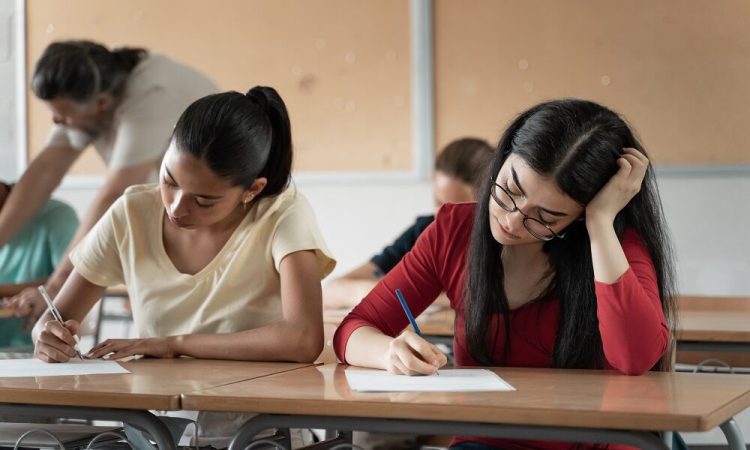
When people think about education, they usually focus on subjects like mathematics, science, language, and history. However, schools teach much more than academic content. There is an invisible layer of learning that shapes students’ personalities, behavior, and life skills. This hidden layer is often referred to as the silent curriculum in schools. It includes the lessons students absorb through daily experiences, social interactions, and school culture rather than formal textbooks.
Understanding the silent curriculum is important because it plays a major role in shaping confidence, emotional intelligence, and long-term success. Many of the most valuable life skills students develop during school years are not written in any syllabus.
What Is the Silent Curriculum?
The silent curriculum refers to the informal learning that happens naturally within the school environment. Students learn how to communicate, cooperate, handle competition, manage time, and deal with challenges. These lessons are not taught through lectures but through experiences such as group projects, classroom discipline, extracurricular activities, and peer relationships.
For example, when students work together on assignments, they learn teamwork and negotiation. When they face deadlines, they develop responsibility and time management. Even classroom rules teach respect, accountability, and boundaries.
Why Silent Learning Matters
Academic knowledge is important, but success in life often depends on skills beyond textbooks. Employers frequently look for qualities like leadership, adaptability, communication, and problem solving. These skills are largely developed through the silent curriculum.
Students also learn emotional resilience through everyday school situations. Handling exam stress, resolving conflicts with classmates, or overcoming mistakes teaches perseverance. These experiences prepare them for real-world challenges in adulthood.
Another key benefit is social awareness. Schools bring together students from diverse backgrounds, helping them understand differences in culture, opinions, and perspectives. This exposure builds empathy and tolerance, which are essential in modern society.

Examples of Silent Curriculum in Action
One of the most common examples is discipline and routine. Following a daily schedule teaches students punctuality and consistency. Participating in sports or extracurricular activities helps them learn leadership, teamwork, and goal setting.
Peer interactions also contribute significantly. Friendships teach trust, loyalty, and communication. Conflicts teach negotiation and emotional control. Even classroom competition helps students understand effort, failure, and improvement.
Teachers also influence the silent curriculum through their behavior. A supportive teacher can inspire confidence, while constructive feedback can encourage growth. Students often learn values by observing how adults handle situations.
Impact on Career and Personal Development
The silent curriculum has long-term effects on career readiness. Students who develop confidence, communication skills, and adaptability during school years often transition more smoothly into higher education and professional environments.
Leadership opportunities such as student councils, group presentations, or event management provide practical experiences that build decision-making abilities. These experiences cannot be replaced by theoretical learning alone.
Additionally, the silent curriculum shapes personal identity. Students discover their strengths, interests, and personality traits through interactions and experiences rather than textbooks.
Supporting Positive Silent Learning
Schools can enhance the silent curriculum by creating supportive environments that encourage collaboration, creativity, and respect. Encouraging participation in extracurricular activities, promoting open communication, and recognizing student achievements can strengthen these hidden lessons.
Parents also play a role by reinforcing positive behaviors learned at school. Discussions about experiences, challenges, and friendships help students reflect and grow emotionally.
Final Thoughts
The silent curriculum in schools is a powerful force that shapes students beyond academics. While textbooks provide knowledge, everyday experiences teach life skills that influence confidence, relationships, and future success. Recognizing the importance of this hidden learning can help educators and parents support students more effectively. Education is not only about what students study but also about what they become through their journey.


