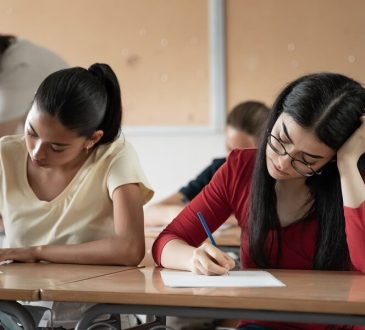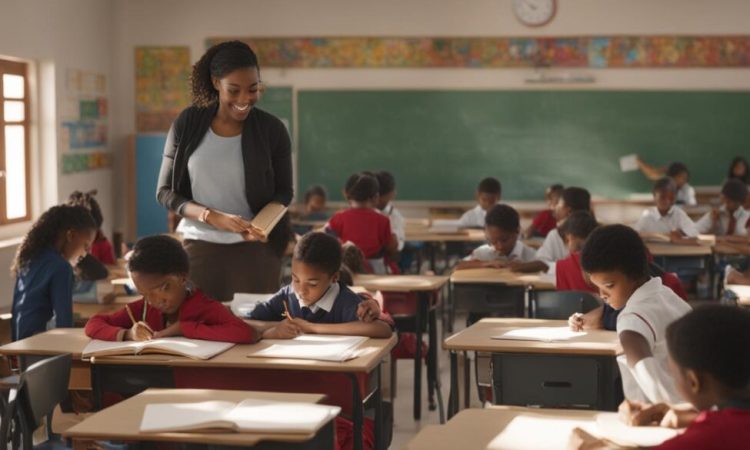
Education is changing faster than ever before. Families and educators are exploring alternatives to traditional large classrooms, and one approach gaining global attention is micro-schooling. Micro-schooling models focus on small learning communities where students receive more personalized attention, flexible learning methods, and stronger relationships with teachers. As education needs evolve, these smaller environments are becoming an attractive option for many parents and learners.
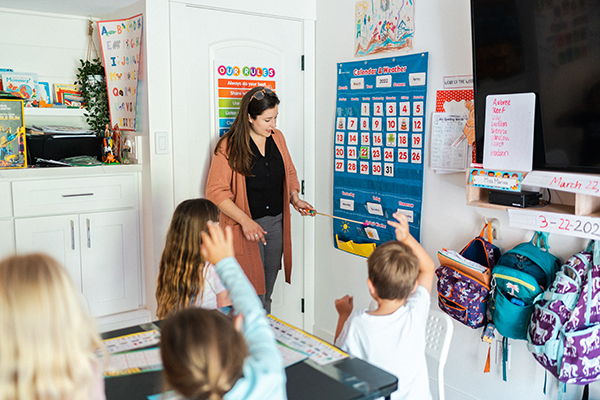
Micro-schools typically consist of a small group of students, often ranging from 5 to 15 learners, guided by one or more educators. These settings can exist in homes, community centers, or specialized learning spaces. Unlike conventional schools with rigid structures, micro-schools often emphasize adaptability, creativity, and individualized progress.
What Makes Micro-Schooling Different?
The biggest difference between micro-schooling and traditional education is scale. Smaller student groups allow educators to understand each child’s strengths, weaknesses, and learning styles more deeply. Instead of a one-size-fits-all curriculum, learning plans can be adjusted to meet individual needs.
Another unique feature is flexibility. Micro-schools often blend academic subjects with real-world projects, hands-on experiences, and collaborative activities. Students may learn mathematics through business simulations or science through experiments and field observations. This approach encourages curiosity and practical understanding.
Many micro-school environments also focus on emotional well-being. With fewer students, teachers can build stronger connections, creating a supportive atmosphere where learners feel comfortable asking questions and expressing ideas.
Reasons Behind the Global Growth
Several factors are driving the rise of micro-schooling models worldwide. One major reason is dissatisfaction with overcrowded classrooms. In large schools, teachers often struggle to give individual attention due to high student numbers. Parents seeking more personalized education are turning toward smaller learning communities.
Technology has also played a key role. Online learning tools, digital resources, and virtual classrooms make it easier to deliver high-quality education outside traditional institutions. Micro-schools can combine in-person guidance with digital platforms to create flexible learning experiences.
Another important factor is the growing awareness of diverse learning styles. Not all students thrive in standard classroom environments. Some perform better in interactive, student-centered settings where creativity and exploration are encouraged.
Global events such as the pandemic accelerated interest in alternative education models as families experimented with home-based learning and small group instruction. Many discovered benefits they wanted to continue even after traditional schools reopened.
Benefits for Students
Micro-schooling offers several advantages that appeal to modern learners. Personalized attention helps students progress at their own pace without feeling pressured by rigid timelines. This often improves confidence and academic performance.
Smaller groups also promote collaboration rather than competition. Students build stronger relationships with peers, improving communication and teamwork skills. Teachers can focus on mentoring rather than managing large classrooms.
Another benefit is the ability to integrate life skills into education. Micro-schools often include entrepreneurship, problem solving, creativity, and emotional intelligence in their learning approach, preparing students for real-world challenges.
Challenges and Considerations
Despite its advantages, micro-schooling is not without challenges. Access and affordability can be barriers for some families. Regulations and accreditation requirements may vary across regions, making implementation complex.
Parents considering micro-schooling should evaluate curriculum quality, educator qualifications, and long-term academic pathways to ensure students receive a well-rounded education.
The Future of Small Learning Communities
As education continues to evolve, micro-schooling models are likely to expand further. The focus on personalized learning, flexibility, and student well-being aligns with modern educational goals. While traditional schools will remain important, micro-schools provide an alternative that meets the needs of many families seeking customized learning experiences.
Final Thoughts
Micro-schooling models represent a shift toward more human-centered education. By prioritizing individual attention, creativity, and strong relationships, small learning communities are reshaping how students learn and grow. As awareness increases globally, micro-schooling may become a significant part of the future education landscape, offering families more choices and students more meaningful learning experiences.